Centre Policy Research Network (CPRN) 2026 International Conference
09–11 June 2026 | Jakarta, Indonesia
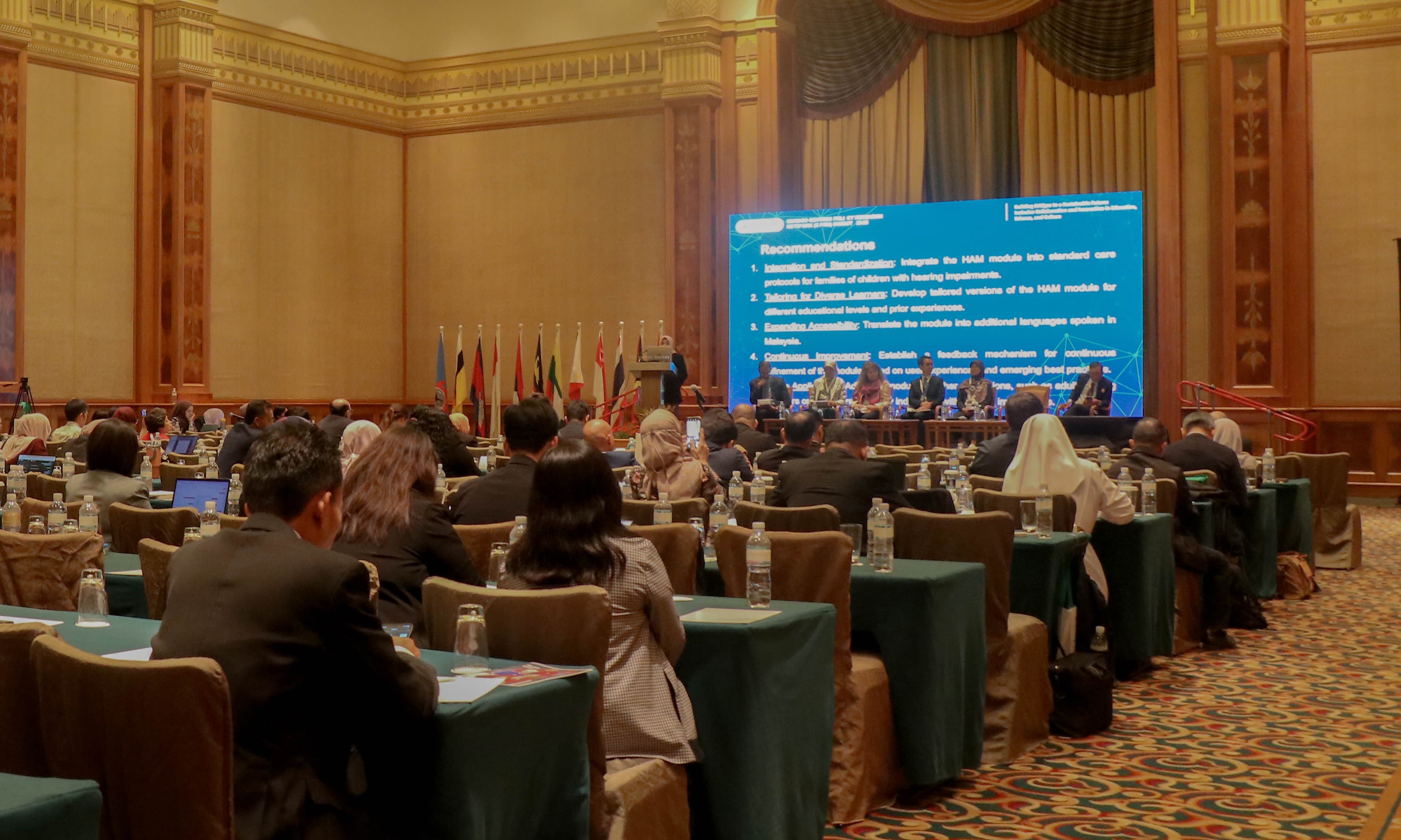
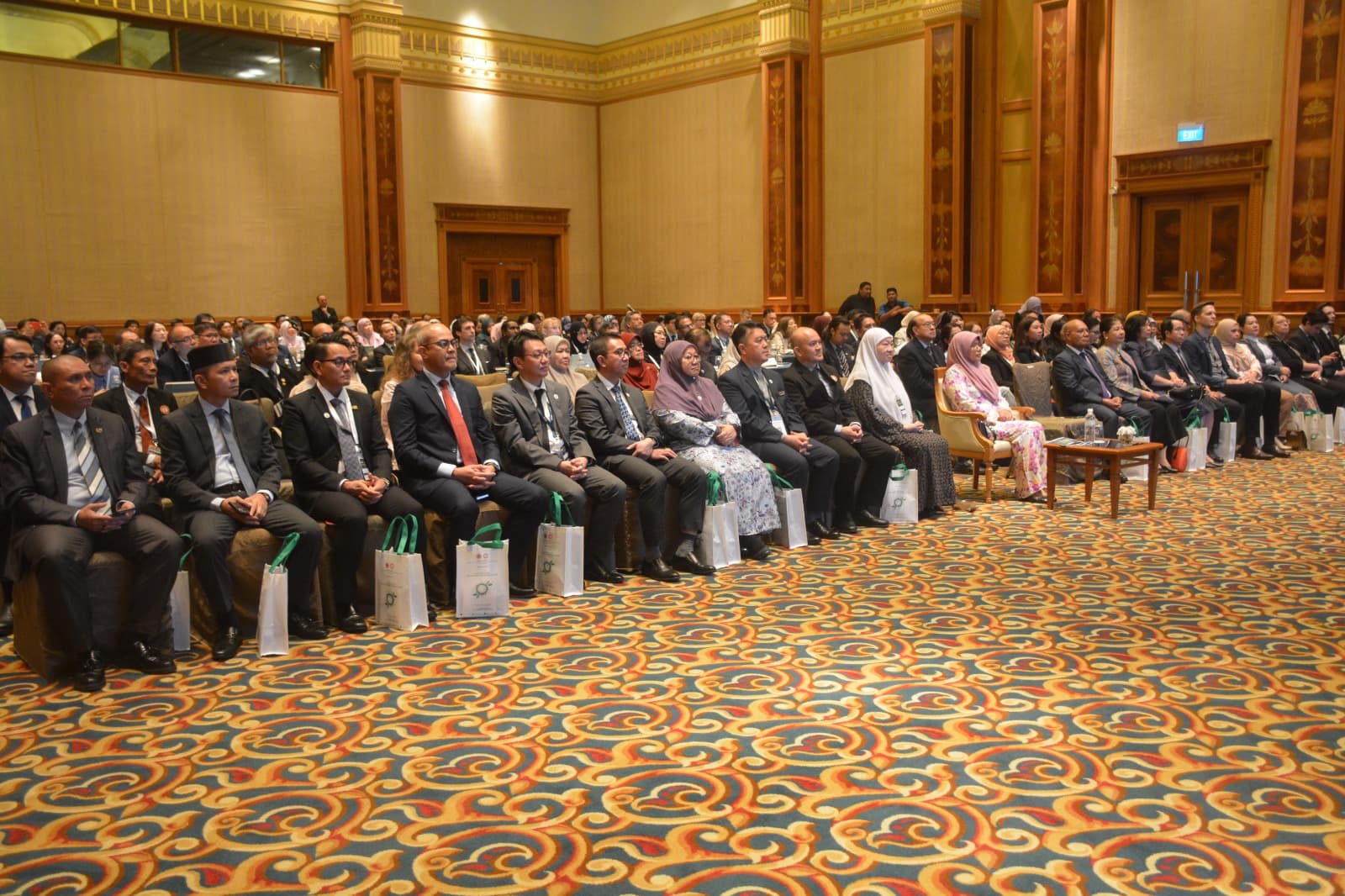
CPRN 2026 is a premier international conference that brings together researchers, policymakers, and practitioners from various countries to discuss evidence-based policy and sustainable development.
About the Summit
What is CPRN 2026 International Conference?
Southeast Asia’s cultural and social diversity is a defining strength of the region, yet persistent inequality continues to hinder inclusive and sustainable development. Marginalized groups face barriers in accessing quality education and essential services. The CPRN Summit 2026, themed “Bridging Research, Policy, and Practice”, seeks to strengthen cross-sector collaboration to generate practical solutions and measurable impact across Southeast Asia.
Research
Evidence-based insights
Policy
Informed decision-making
Practice
Real-world implementation
CPRN 2026 Keynote Speakers
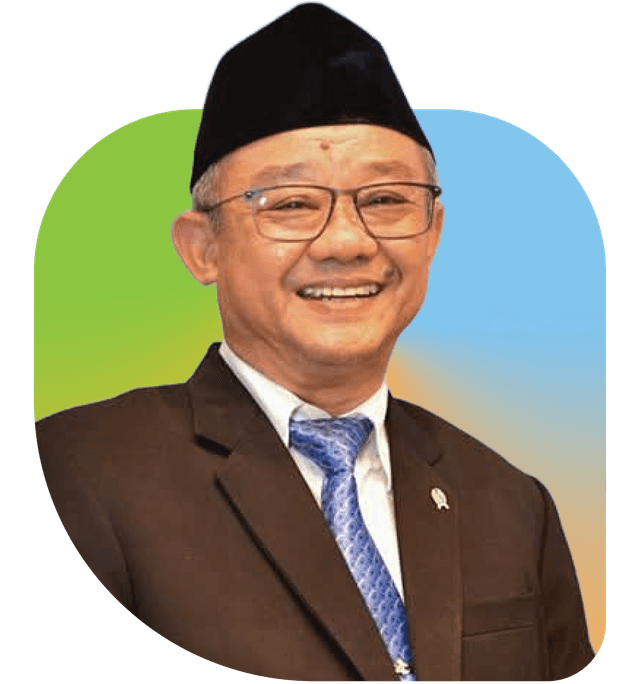
Prof. Dr. Abdul Mu'ti, M.Ed
Indonesia Minister of Primary and Secondary Education

Prof. Marek Tesar
Dean, Faculty of Education, Melbourne University

Asec. Janir T. Datukan*
Assistant Secretary for Learning Systems Strand, Department of Education Philippines (TBC)

Prof. Stella Christie, Ph.D*
Deputy Minister Of Higher Education, Science, and Technology for the Republic of Indonesia (TBC)
To Be Decided (TBD)
To Be Decided (TBD)
Summit Scopes
EDUCATION
Transforming Education Systems for Equity and the Future
Examines how education systems can be restructured to address persistent inequities by dismantling structural barriers faced by marginalized groups, including learners from low-income backgrounds, indigenous communities, children with disabilities, and those in remote or conflict-affected areas.
Focuses on preparing learners through digital literacy, green skills, entrepreneurship, and socio-emotional learning, highlighting the role of emerging technologies and system resilience.
Explores policy alignment across education levels to ensure smooth transitions from early childhood to post-school pathways, including curriculum continuity and career guidance.
Investigates teacher education reform, licensing, certification, support systems for novice teachers, and professional learning communities.
Examines learning assessment systems, EMIS, participatory governance, and the strategic use of data to improve education quality.
SCIENCE
Science, Innovation, and Evidence-Based Policy
Highlights the role of scientific evidence in shaping public policy across health, education, environment, and technology sectors.
Promotes interdisciplinary STEAM education integrated with sustainability, local relevance, and global competencies.
Focuses on inclusive science policies that foster participation, leadership, and innovation among underrepresented groups.
Explores regional collaboration in Southeast Asia to address transboundary challenges such as climate change, pandemics, and disaster risks.
Promotes responsible innovation through ethical frameworks, data privacy, and the integration of indigenous knowledge.
CULTURE
Culture, Creativity, and Inclusive Societies
Explores how cultural policies strengthen social cohesion, identity, and peacebuilding in post-conflict and diverse societies.
Addresses protection of languages, rituals, craftsmanship, and oral traditions through participatory, community-led approaches.
Examines creative industries as drivers of inclusive economic growth, entrepreneurship, and cultural tourism.
Analyzes curriculum reforms that uphold cultural rights, bilingual education, and culturally sustaining pedagogies.
Interrogates digital representation, algorithmic bias, digital repatriation, and ethical storytelling practices.
Why Join CPRN 2026?
Steering Committee by


Organized by
Co-Organized by